Tokyo and Kyoto: How Much Time Should You Spend in Each?
The classic first trip to Japan works best when you give each city enough time to reveal its own rhythm.
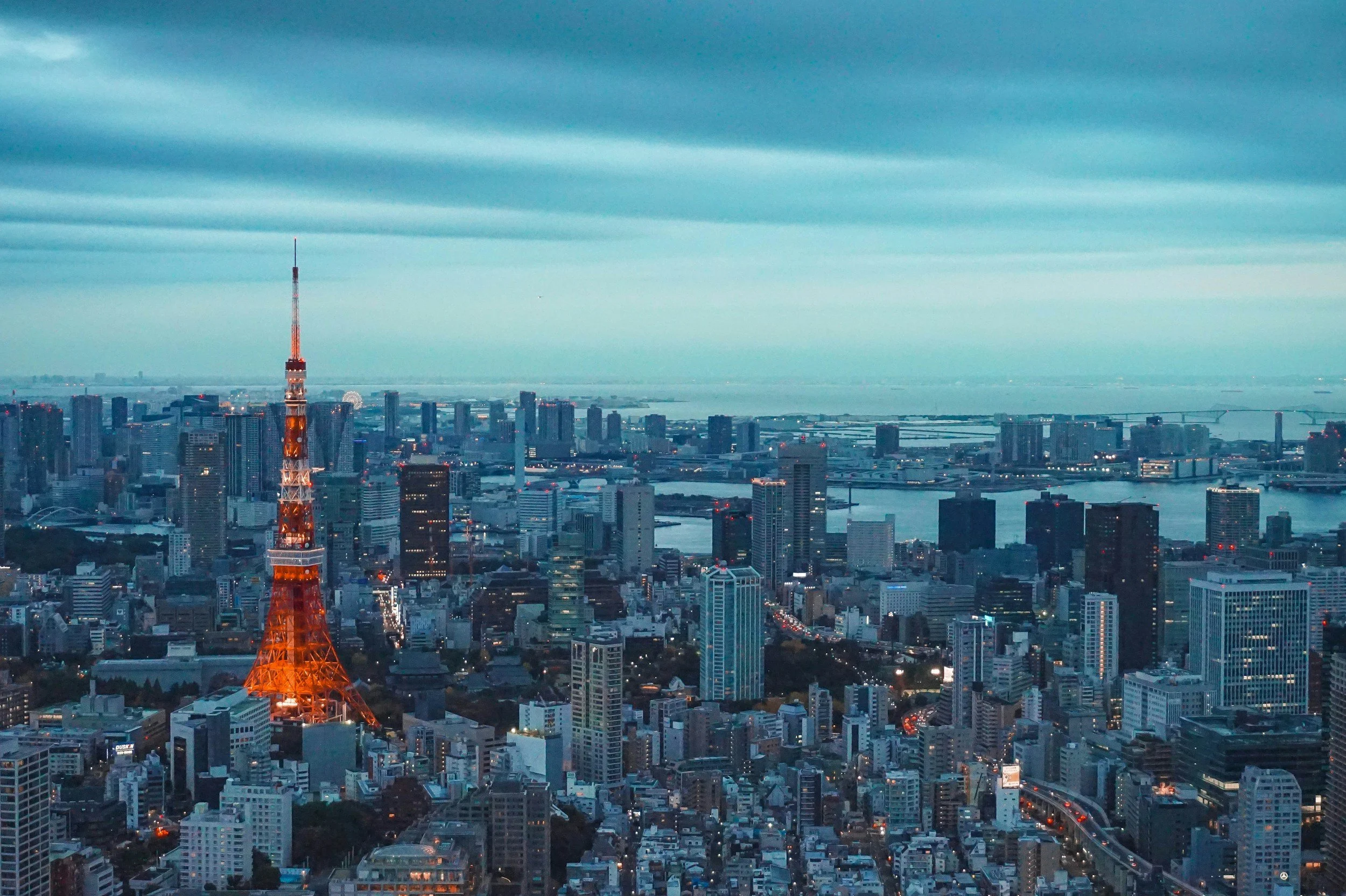
Tokyo
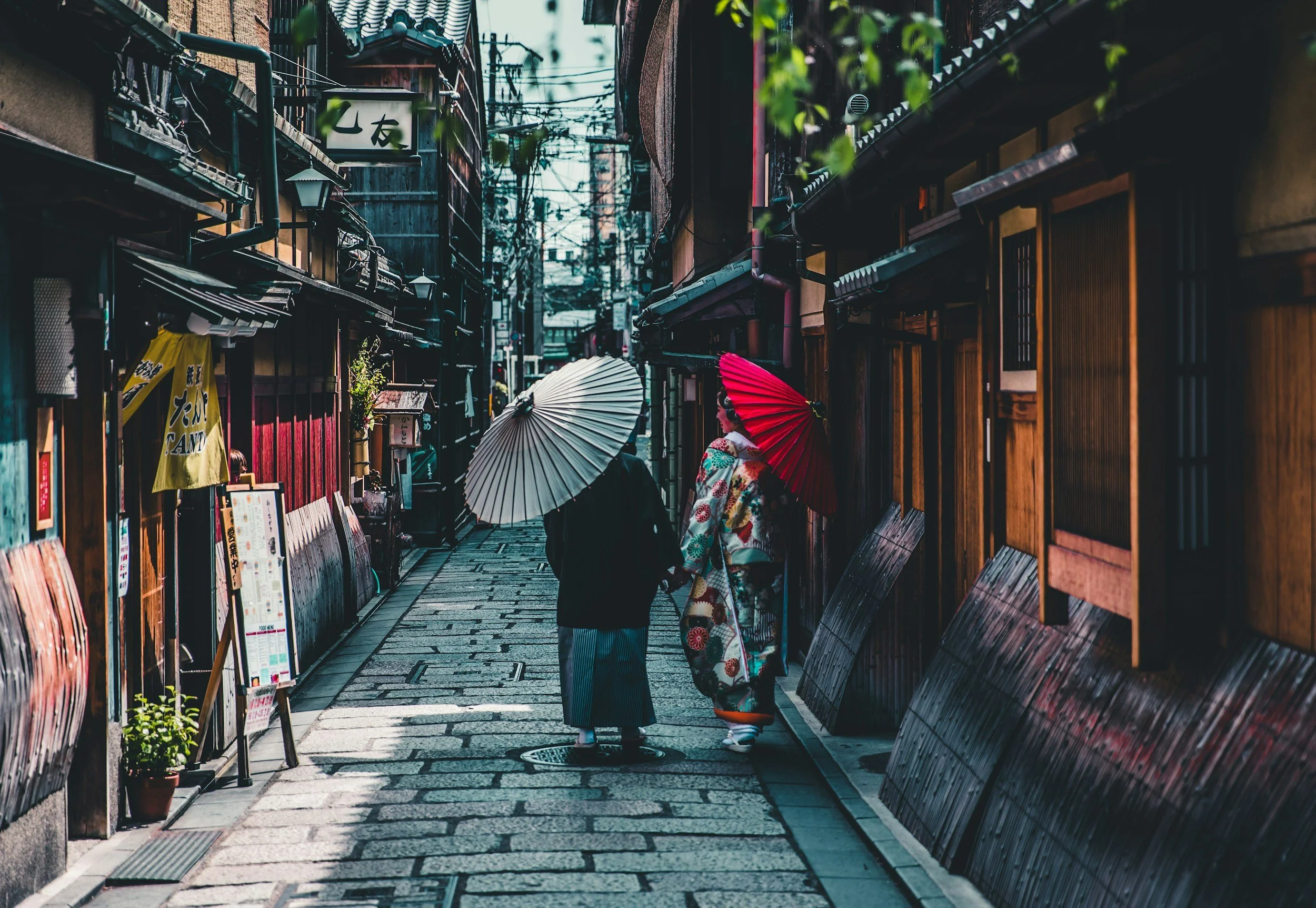
Kyoto
Tokyo and Kyoto are often paired on a first trip to Japan, and for good reason. Tokyo delivers scale, energy, design, food and neighborhoods that can feel like separate cities. Kyoto offers temples, gardens, traditional architecture and a slower pace that rewards careful planning.
I have visited Japan twice over the last year, including a trip that incorporated Expo 2025 in Osaka. Those visits reinforced how easy it is to underestimate both Tokyo and Kyoto. Travelers often try to fit the two cities into six nights. That is possible, but it usually creates a trip defined by transfers and checklists rather than discovery.
For most first-time visitors, I recommend at least eight nights between Tokyo and Kyoto. Ten nights is better.
The simple answer
Recommended first-trip split
Tokyo: 4 to 5 nights. Kyoto: 4 nights. Add 1 to 2 nights in Osaka, Hakone or another destination when your total trip reaches 10 to 12 nights.
Why Tokyo needs at least four nights
Tokyo is not a city you cover from one central sightseeing zone. The experience comes from moving between very different neighborhoods. Shibuya and Harajuku feel different from Ginza. Asakusa offers another perspective. Shinjuku, Marunouchi, Roppongi, Daikanyama and Omotesando can each support hours of exploration.
Four nights gives you three full days. That is enough for a strong introduction if you plan geographically and avoid crossing the city repeatedly. Five nights gives you more flexibility for a museum, a food-focused day, shopping or a day trip.
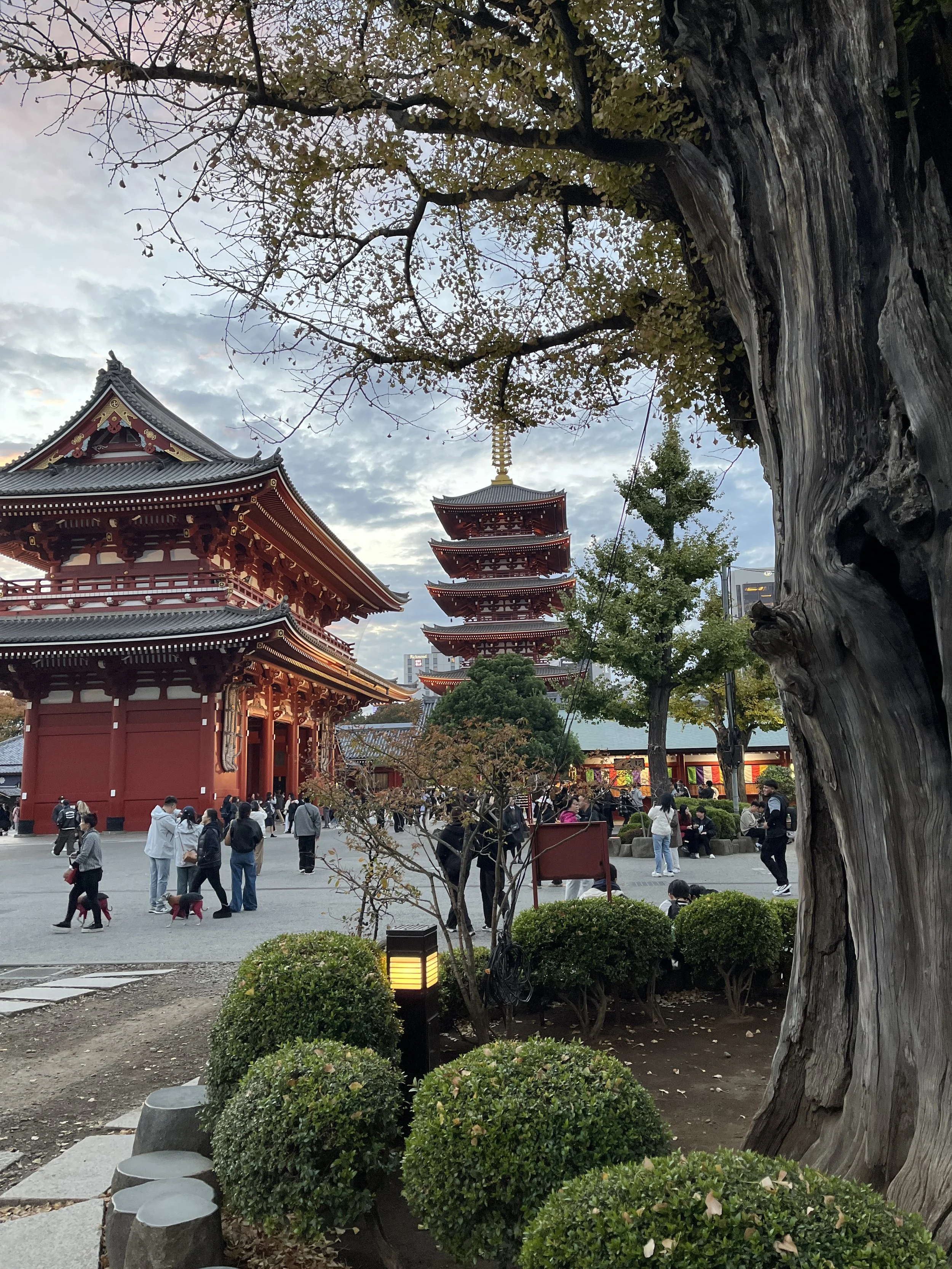
Tokyo, Senso-ji Temple (2025)
A practical four-day Tokyo framework
Day 1: Arrival, hotel orientation and an easy neighborhood dinner.
Day 2: Meiji Shrine, Harajuku, Omotesando and Shibuya.
Day 3: Asakusa, Ueno or a museum, then an evening in Ginza or Marunouchi.
Day 4: Choose a focused interest day, such as food, design, contemporary art, shopping or a private city tour.
With a fifth day, consider Kamakura, Nikko, Yokohama or additional Tokyo neighborhoods rather than forcing a long excursion into an already full schedule.
Why Kyoto needs four nights
Kyoto looks more compact than Tokyo, but its major sights are spread across different parts of the city. The most popular temples and districts also become crowded. A rushed plan can leave you spending more time in taxis or buses than expected.
Four nights usually provides three full days. That allows you to group eastern Kyoto, western Kyoto and northern or central Kyoto separately. It also creates room for an early start, a slower afternoon and at least one evening that is not built around transit.
A practical three-day Kyoto framework
Day 1: Higashiyama, Kiyomizu-dera, traditional streets and Gion. Begin early.
Day 2: Arashiyama, Tenryu-ji and a carefully selected additional western Kyoto stop.
Day 3: Fushimi Inari early, followed by a temple, garden, market or cultural experience that matches your interests.
A fourth full day opens several options: Nara, Uji, a private guide, a cooking experience, a garden-focused day or more time in neighborhoods beyond the headline sights.
Your Kyoto hotel location matters
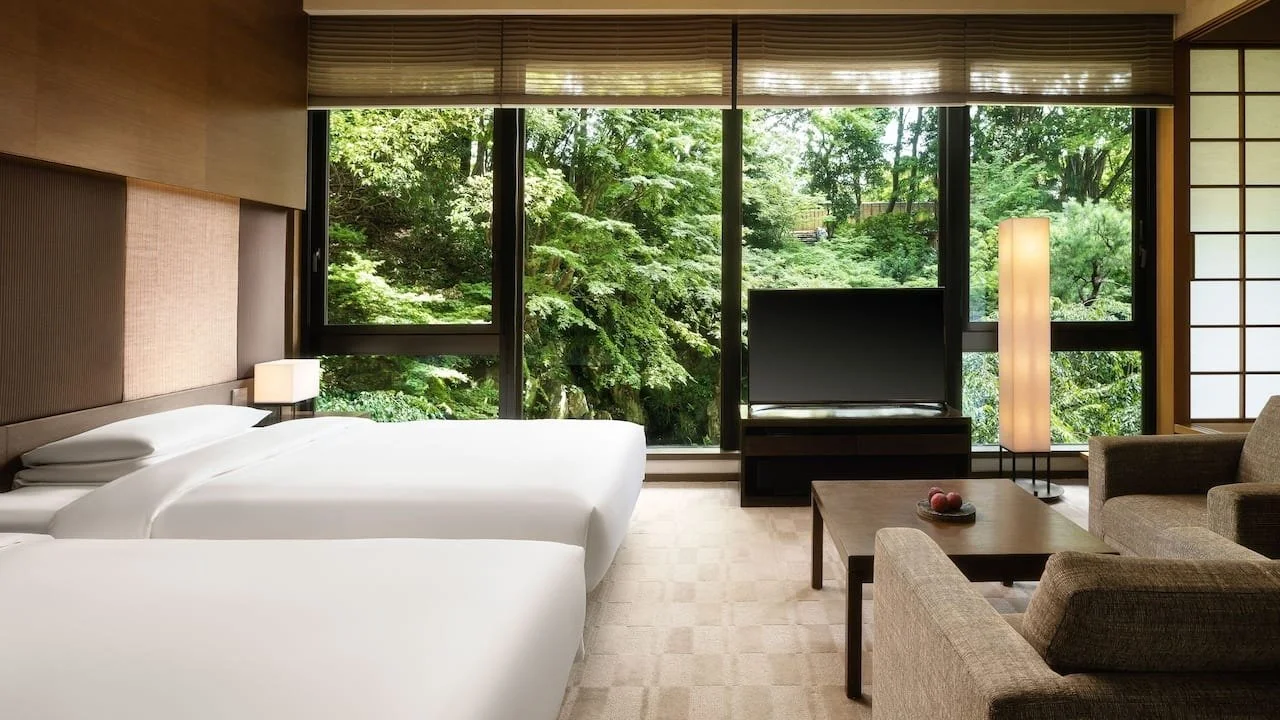
Hyatt Regency Kyoto, Bedroom in Executive Suite
Kyoto hotel selection should reflect your itinerary. A property near Kyoto Station makes rail connections easy. A hotel in Higashiyama can place you closer to temples and atmospheric evening walks. A central location may simplify dining and shopping.
I stayed at Hyatt Regency Kyoto and received an upgrade to a Japanese-style suite overlooking the hotel’s gardens through a Hyatt Privé booking. The suite gave the stay a stronger sense of place, and the breakfast was fantastic. The hotel is also near Sanjusangendo and the Kyoto National Museum, which made it easier to build nearby sightseeing into the day.
That experience is a good example of why I do not treat the hotel as separate from the itinerary. Location, breakfast, room style and benefits affect how smoothly the day begins and ends.
Do not treat Osaka as only a day trip
Many travelers visit Osaka from Kyoto for an evening or a day. That can work, especially for food and nightlife. A one- or two-night stay makes more sense when Osaka is a priority, when you are flying through Kansai International Airport or when you want a more urban counterpoint to Kyoto.
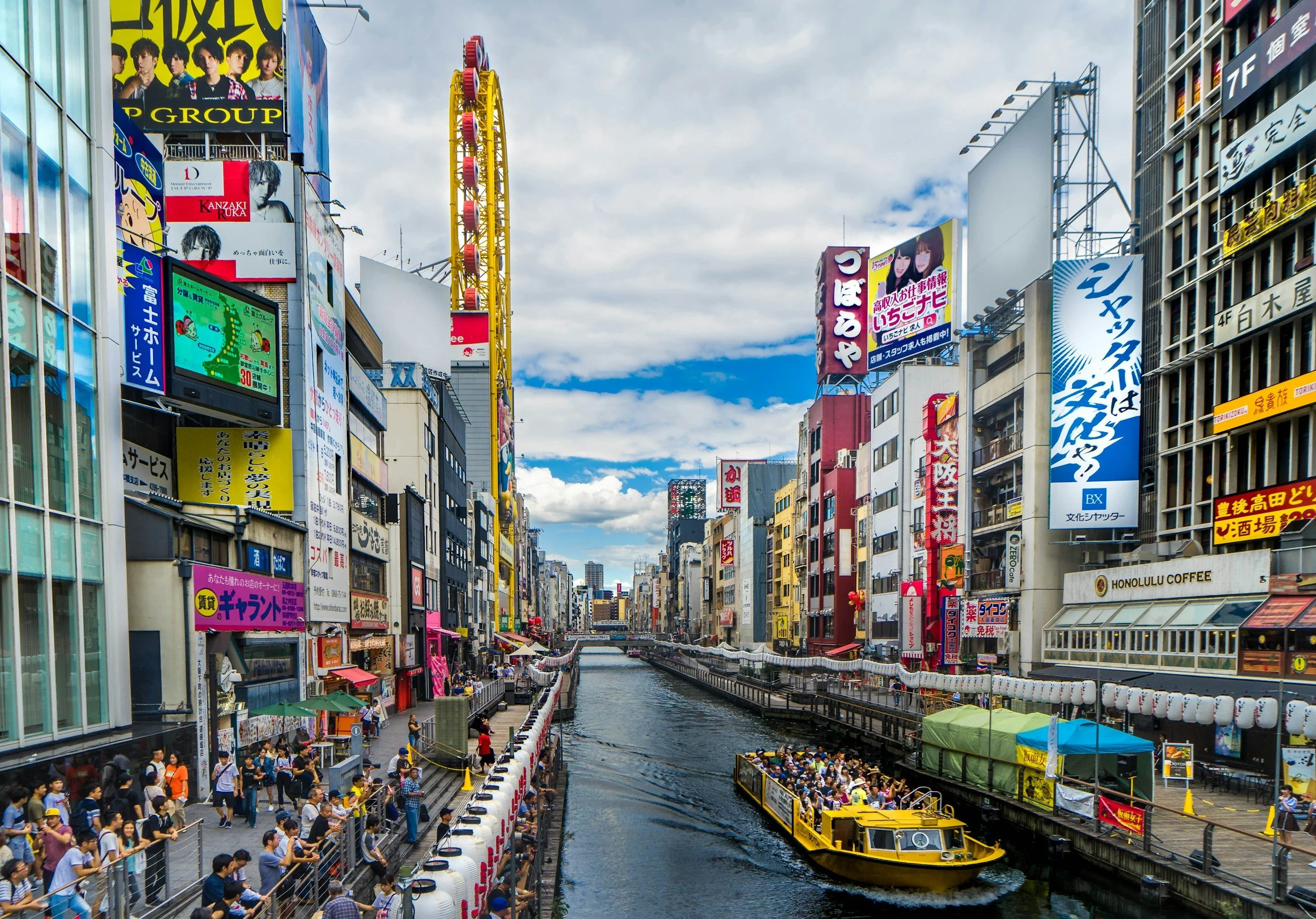
Osaka, Kansai, Japan (Dotonburi area) 2025
Expo 2025 gave travelers another reason to spend time in Osaka during its run. Even without the Expo, Osaka remains worth considering for its food culture, neighborhoods and more casual energy. The decision should depend on your interests, not on the idea that every Japan itinerary must add another city.
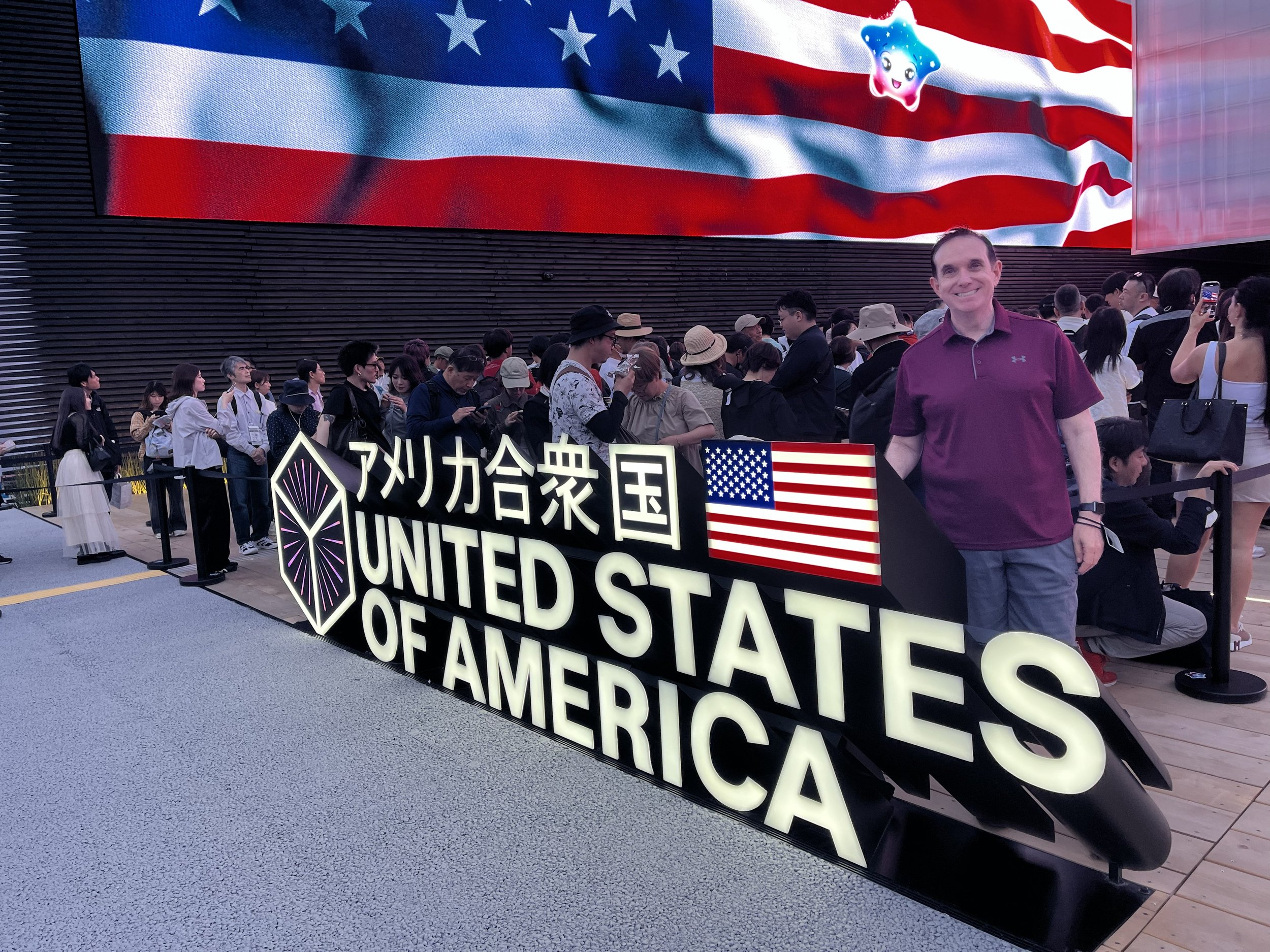
Jeremy visiting Osaka, Expo 2025 USA Pavilion
How to divide shorter trips
Six nights
Choose Tokyo for 3 nights and Kyoto for 3 nights only when dates are fixed and you accept a fast pace. Use a morning train and keep sightseeing focused. I would not add Osaka, Hakone or another overnight stop.
Eight nights
Tokyo for 4 nights and Kyoto for 4 nights is the strongest balanced introduction. You gain three full days in each city and one efficient transfer day.
Ten nights
Tokyo for 5 nights, Kyoto for 4 nights and Osaka or Hakone for 1 night works well. Another option is Tokyo for 4 nights, Hakone for 1 night and Kyoto for 5 nights, with an Osaka day trip.
Twelve nights or more
You can slow down or add another region. Consider Kanazawa, Hiroshima and Miyajima, the Kiso Valley, the Izu Peninsula or additional time in Kansai. The goal should be a coherent route, not the highest possible number of cities.
Plan the transfer as part of the trip
The Shinkansen makes Tokyo-to-Kyoto travel efficient, but the transfer still consumes part of a day. Allow time to reach the station, navigate the platform, travel, arrive and check in. Luggage forwarding can make the experience much easier. Send larger bags ahead and travel with a smaller overnight or day bag when appropriate.
Seat selection can matter, and seasonal demand can affect availability. Reserve in advance when traveling during major holiday periods or peak seasons. Keep your essential medications, documents and valuables with you rather than in forwarded luggage.
My recommendation for a first visit
Start with four nights in Tokyo and four nights in Kyoto. Add a fifth night to Tokyo if dining, shopping, art or neighborhoods are a major priority. Add a fifth night to Kyoto if you want a day trip or prefer a slower cultural itinerary.
The best split depends on what you enjoy. Tokyo rewards curiosity and variety. Kyoto rewards early starts, thoughtful routing and time to pause. Give both cities enough space, and they will feel less like stops on an itinerary and more like distinct travel experiences.
Planning Japan? I can help you choose the right city split, hotel locations, rail strategy and day-by-day flow so the trip feels ambitious without feeling rushed.
Recommended links
· Japan National Tourism Organization: Tokyo — Official destination planning resource.
· Japan National Tourism Organization: Kyoto — Official Kyoto planning resource.
· Hyatt Regency Kyoto — A great hotel in a great neighborhood